
Arturo: An NLU-Powered Ordering Assistant
Under a Natural Language Understanding (NLU) framework, chatbots transform from rigid keyword-matchers into intelligent assistants that comprehend human intent, context, and emotion. This advanced framework allows businesses to automate complex workflows while maintaining high-quality, human-like interactions to help service the user - in this case, to order pizza.
NLU models do not rely on static code. They use machine learning to train on thousands of text examples (utterances) to understand what (intents) the user has in the session and to intepret specific details (slots) from questions the chatbot asks.
A three-part flow for ordering drinks
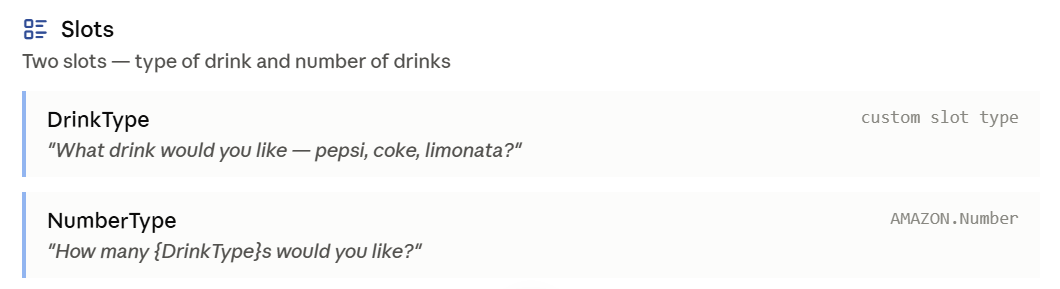
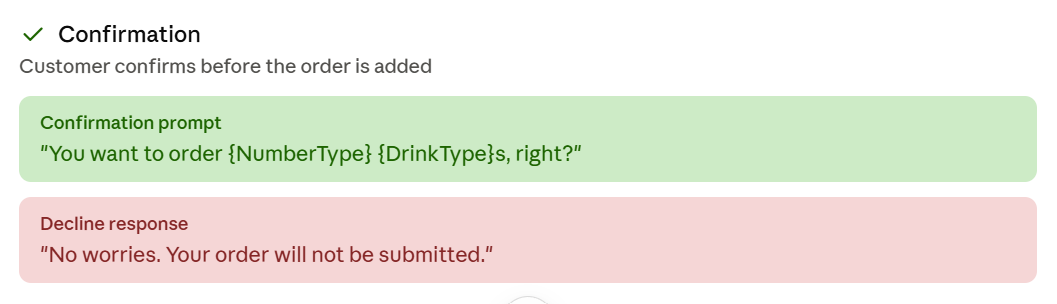
Blog (2026). Top 22 benefits of chatbots for businesses and customers. [online] Zendesk. Available at: https://www.zendesk.co.uk/blog/ai/chatbots/what-is-a-chatbot/benefits-of-chatbots/ [Accessed 9 July 2026].
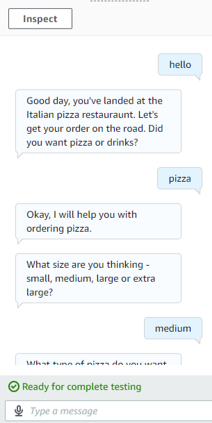
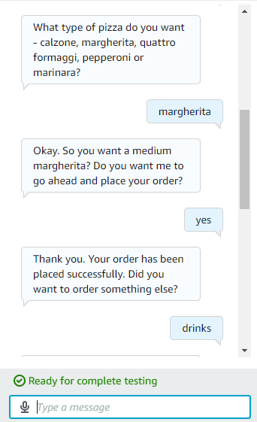
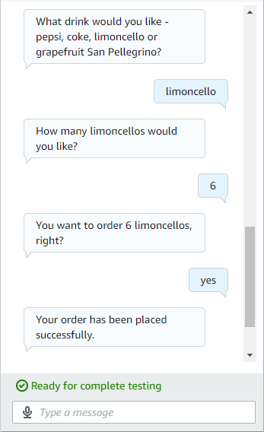
A medium margherita and 6 limocellos ordered, successfully
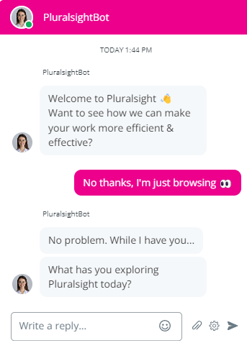
How it works
~
How it works ~
Chatbots
Chatbots provide fast, reliable, round-the-clock support for customers across every timezone and language. Senior Director, Teresa Haun, believes by 2030, 80% of interactions will be completed solved by AI without a human being involved in the interaction.
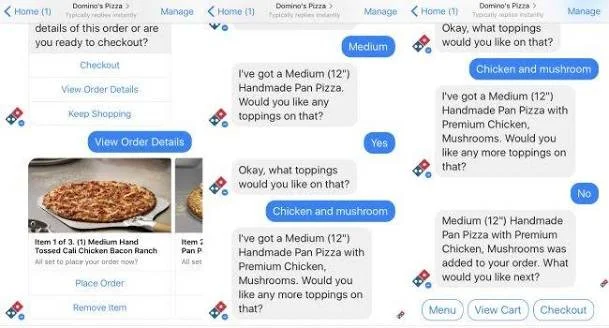
NLU Architecture
Natural Language Understanding (NLU) is the component of a chatbot that turns a user's free-text message into structured meaning the system can act on. In a pizza-ordering bot, it's the layer that sits between what the customer typed and what the system does about it. Three concepts do most of the work: intents, entities (often called slots) and utterances.
Intents
Categories of conversations such as greeting, ordering pizza and ordering drinks.
Utterances
Sample phrases that a user might say to the bot: customer says I want pizza, the bot knows their intent is to order pizza.
Entities/Slots
Slot types define the range of options for the pizza a customer can order - size, variety and so on. Each requires a value, and the chatbot won't proceed until the customer provides one.

Putting it all together
Some say Arturo can take 10 orders at once. What I can verify is this: he never skips a confirmation and he owes it all to well-structured intents and slots. The pizza is the demo, the real skill is turning ambiguous natural language into structured actions a system can reliably execute. Every customer-facing AI faces the same problem, whether it's taking a dinner order or booking an appointment.
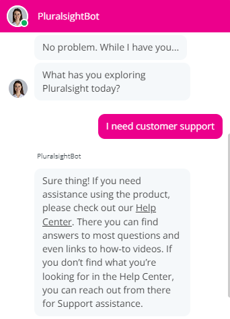
Configuration that lives inside of the OrderPizza intent (intents)
Phrases that would invoke customer’s intent to order pizza (utterances)

Slot type values within Amazon Lex (entities/slots)